Adanced Water System

Jinhaeng Waterway Lineup

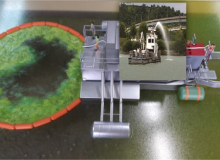
Algal bloom Removal System

GT Ionizer

Limitations of Conventional Removal Technologies

What is an Algal Bloom?

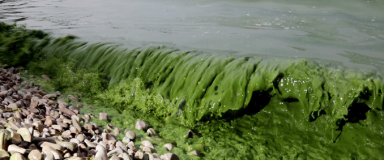
An algal bloom refers to a phenomenon in lakes, rivers, streams, and oceans where algae (especially cyanobacteria) grow excessively, causing the water to turn deep green.
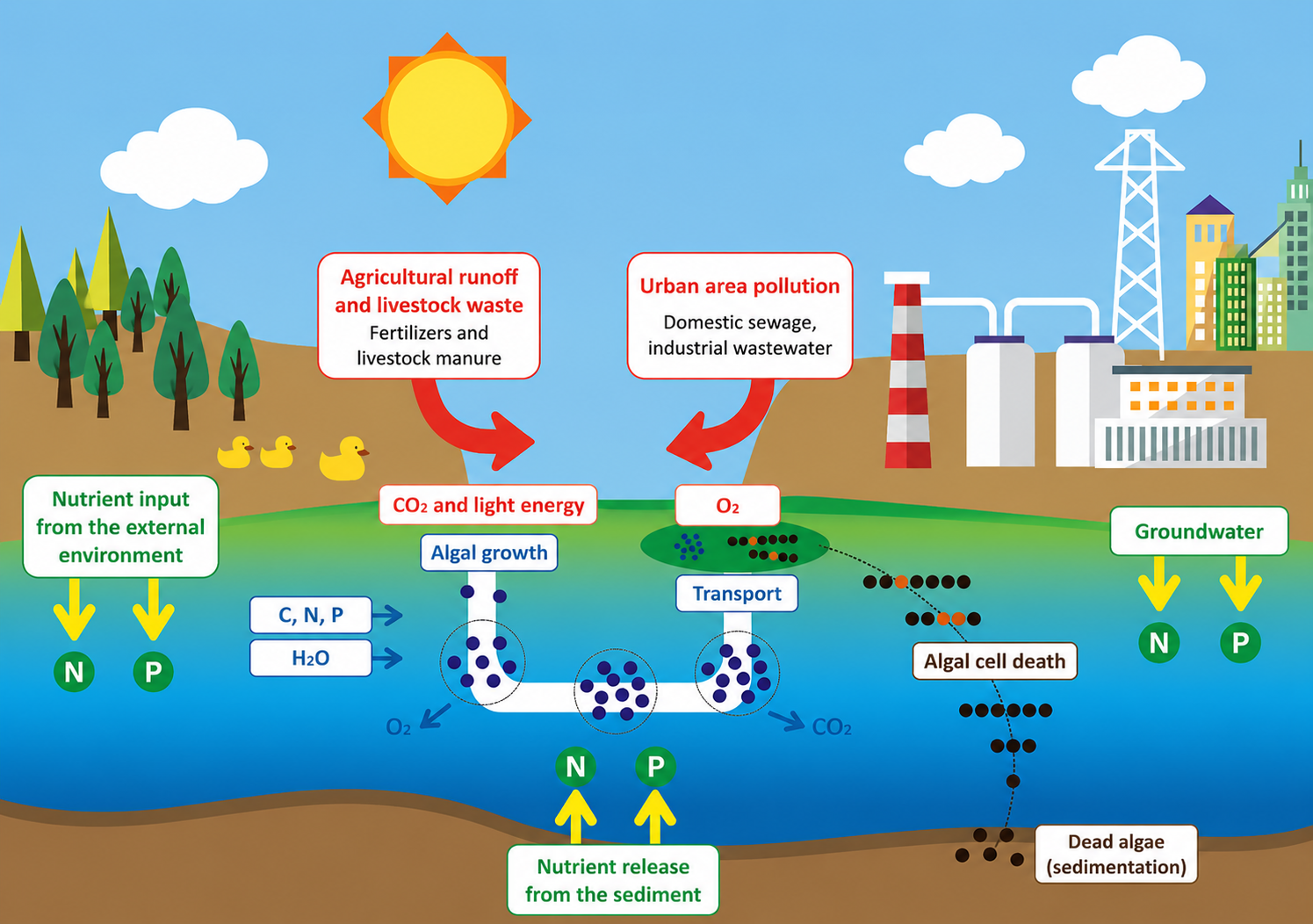
It mainly occurs in polluted or eutrophic water environments where nutrients such as nitrogen (N) and phosphorus (P) are abundant.

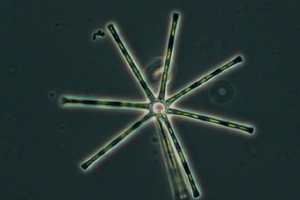
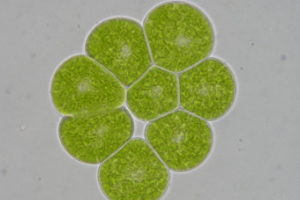
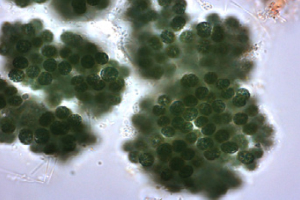
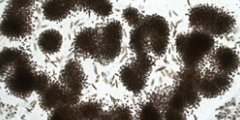
Category Diatoms Green Algae Cyanobacteria
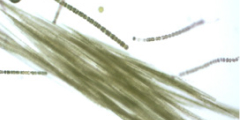
Microscopic Image
Main Growth Season
Optimal Growth Temperature Below 10℃ 10℃~20℃ 20℃~30℃
Water Color
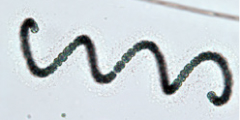
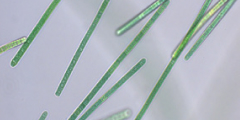
Category Microcystis Anabaena Oscillatoria Aphanizomenon flos-aquae
Microscopic Image
Optimal Growth Temperature 25°C–35°C 20°C–25°C Below 20°C Around 20°C
Main Growth Season Late Spring–Late Autumn Spring, Early Summer, Autumn Spring–Autumn Spring, Autumn, Early Winter
Toxic Substance Microcystin Microcystin / Anatoxin Microcystin / Anatoxin Saxitoxin
Effects Liver toxicity,
moldy odor,
earthy odor
Liver toxicity,
neurotoxicity,
moldy odor,
earthy odor
Liver toxicity,
neurotoxicity,
moldy odor,
earthy odor
Neurotoxicity,
moldy odor,
earthy odor
Cyanobacteria
Cyanobacteria are among the earliest organisms on Earth, possessing remarkable adaptability and capable of producing oxygen through photosynthesis.
Some cyanobacteria generate unpleasant odors and toxins as metabolic byproducts while synthesizing substances necessary for survival and growth.
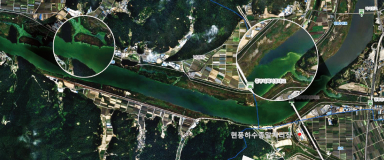
Current Status of Green Tide
Increase in Algae Warning Issuance Days
  • Over the past five years, the annual average number of algae warning issuance days has reached 681 days.
  • In 2023, the number exceeded 530 days, and in 2024, it surged to 882 days.
  • This sharp increase is believed to result from a combination of factors, including rising temperatures and increased sunlight exposure caused by climate change.

Algal Bloom Formation Mechanism

Algal blooms occur due to the following causes and are closely related to climate change and surrounding environmental conditions.

Causes of Algal Blooms
  1. Eutrophication

    • A phenomenon in which excessive accumulation of nutrients such as nitrogen (N) and phosphorus (P) in water causes rapid algal growth.
    • Algae (especially cyanobacteria) multiply explosively due to abundant food sources.
    [Main Causes]
    • Agriculture: Fertilizers and livestock manure washed into rivers by rain
    • Domestic wastewater: Detergents, food waste, sewage, etc.
    • Industrial wastewater: Pollutants discharged from factories
  2. Rising Water Temperature

    • Cyanobacteria actively proliferate in warm water temperatures of 25–30°C.
    • High summer temperatures and global warming increase the likelihood of algal blooms.
  3. Strong Sunlight

    • Algae grow through photosynthesis, so prolonged strong sunlight accelerates their growth rate.
    • In slow-moving or stagnant water, sunlight penetrates deeper, creating favorable conditions for algal growth.
  4. Reduced Water Flow

    • Dams and reservoirs slow water movement, allowing algae to remain concentrated in one area and multiply easily.
    • In fast-flowing rivers, algae are swept away, making algal blooms less likely to occur.
  5. Climate Change

    • Rising temperatures, droughts, and heavy rainfall accelerate algal bloom formation.
    • ex) Increased rainfall → nutrient inflow → reduced flow velocity → algal bloom occurrence
  6. Soil Erosion and Nonpoint Source Pollution

    • During rainfall, soil and contaminants flow into rivers, becoming a major cause of algal blooms.
    • Commonly occurs in agricultural areas, urban regions, roads, and similar environments.

Problems Caused by Algal Bloom

Problems of Green Tide

When water flow weakens and stagnation occurs, conditions become favorable for rapid cyanobacteria growth, leading to water quality deterioration, unpleasant odors, fish mortality, and overall degradation of the aquatic environment.
As water quality worsens and visual pollution increases, public anxiety regarding water resources may also intensify.

Aquatic Life Mortality

Toxins produced by algae cause the death of aquatic organisms.

Economic Damage

Economic losses such as ecosystem destruction and impacts on tourism industries.

Health Deterioration

Increased risk of disease and weakened health when algae-contaminated water is consumed.

Increased Production Costs

Higher water treatment and operational costs during the algae removal process at water purification facilities.

Water Shortage

Shortages of agricultural and industrial water supplies.

Restricted Activities

Limitations on swimming, fishing, and water leisure activities.

Social Issues Caused by Green Tide
  1. Controversy Over Drinking Water Safety

    • When algal blooms occur near water intake areas, concerns arise that algal toxins may enter drinking water supplies.
    • In some regions, algae-related odors in tap water have increased public anxiety.
    • Toxic substances such as Microcystin may cause liver damage, raising health concerns.
  2. Conflict Between the Government and Environmental Organizations

    • There have been cases where government agencies conducted independent investigations into airborne toxins and nonpoint pollution sources without cooperation from environmental groups.
    • Environmental organizations have argued that they cannot fully trust the government's investigation methods and results, demanding greater transparency.
    • These issues have intensified social conflict and controversy over policy reliability and cover-up allegations.
  3. Regional Environmental Equity Issues

    • As algal blooms become concentrated in certain regions of the Nakdong River basin, concerns over regional environmental inequality have emerged.
    • Residents in affected areas argue that environmental safety protections are inadequate compared to metropolitan regions, leading to regional disputes.
  4. Economic Burden and Public Distrust

    • Large budgets are being invested in algae removal, water treatment operations, and strengthened purification systems, while doubts remain about their effectiveness.
    • Some citizens criticize the situation as a "waste of taxpayer money," arguing that government responses are temporary measures rather than fundamental solutions.

Countermeasures

1. Blocking Pollution Sources
  • Management of Nonpoint Source Pollution

    Prevent nutrient pollutants (nitrogen, phosphorus, etc.) from entering waterways through runoff from agricultural land, livestock farming, and urban areas.

  • Wastewater and Sewage Management

    Minimize nutrient inflow by improving wastewater and sewage treatment standards.

2. Response During Algal Bloom Outbreaks
  • Improvement of Algae Warning Systems

    Enhance systems for rapid response, as it typically takes 3–4 days for visible algae bloom development.

  • Real-Time Monitoring

    Expand installation of automatic water quality monitoring systems.

3. Introduction of Algae Removal Equipment and New Technologies
  • Application of Electrochemical, Biological, and Physical Technologies

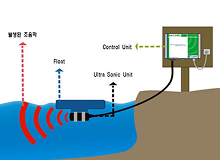
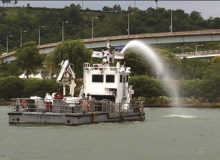
    Technologies such as buoyancy barriers, algae collection boats, and ultrasonic treatment equipment.

  • Operation of Algae Removal Vessels

    Expanded deployment: from 28 vessels in 2024 to 35 vessels in 2025.

Limitations of Domestic and International Algae Removal Technologies

Although various technologies are currently used to remove algae both domestically and internationally, they have not consistently demonstrated sustainable effectiveness from ecological and economic perspectives.

Category Water Flow Control Ultrasonic Algae Collection Vessel Yellow Clay Treatment Algaecide
Method
Advantages Prevents algal accumulation and fish mortality Eco-friendly algae removal technology Eco-friendly treatment Temporary algae removal effect Suppresses algal growth and provides rapid treatment
Disadvantages High installation cost with limited water quality improvement effect Difficult to apply over large areas,
high maintenance cost
High maintenance cost Ecological disturbance to other aquatic organisms Ecosystem damage and increased treatment costs
Hydrogen Peroxide-Based Algae Removal (GT IONIZER)
  • Principle: Natural electrochemical hydrogen peroxide generation mechanism
  • Effect: Continuous algae removal through hydrogen peroxide generation
  • Advantages: No chemical usage, eco-friendly and harmless to humans, economically efficient, and easy installation
Green Ball
  • Principle: Ceramic media containing microorganisms are introduced into the water
  • Effect: Continuous algae removal through algae absorption and decomposition of organic matter
  • Advantages: Low secondary pollution and expected long-term effectiveness
Adsorption and Filtration (Nano)
  • Principle: Selective adsorption of algal toxins and nutrients
  • Advantages: Excellent purification performance and improved drinking water safety
Low-Temperature Plasma and Nanobubbles
  • Principle: Plasma and microbubbles destroy algal cells and suppress growth
  • Advantages: Chemical-free and highly effective removal technology
  • Disadvantages: Early-stage field application with long-term ecological impacts not yet fully verified

Conventional algae removal technologies—such as water flow control, ultrasonic systems, algae collection vessels, yellow clay treatment, and algaecides—have often resulted in high maintenance costs and various side effects, including damage to aquatic ecosystems caused by chemical usage.