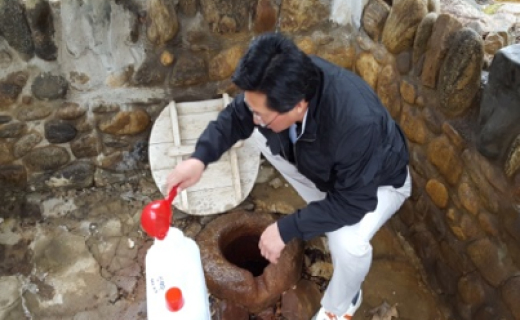
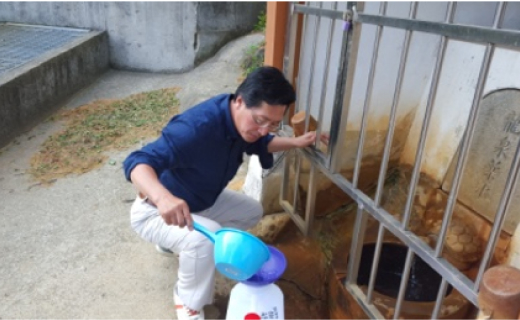
Water Story

Water Story

The Closest Water to Us, The Best Water for Us

#MineralWater

Conditions for Healthy Water

The World Health Organization (WHO) states:

"80% of human diseases are related to the impact of water on the human body.
People living in regions known for longevity beyond 100 years commonly drink clean, high-quality water,

making a healthy water environment one of the key conditions for long life."

  1. The water pH should be slightly alkaline,
    between 7.2 and 7.6.

  2. It should contain minerals beneficial to the human body.

  3. The molecular cluster size (cluster size)
    should be small.

  4. It should be water
    with antioxidant capabilities.

  5. It should contain energy.

  6. Oxygen and carbon dioxide should be sufficiently dissolved.

What Is Healthy Water?
  • Water that is safe, clean, and balanced with minerals beneficial to the human body
  • Water that has no unpleasant odor and contains enough dissolved oxygen to provide a refreshing taste and feeling when consumed (dissolved oxygen: 5 mg/L or higher)

The Role of Healthy Water

Drinking healthy water can provide the following benefits for our bodies.

  • Reduces active oxygen
  • Helps balance the body and reduce fatigue
  • Stabilizes enzymes and cells
  • Supports overall wellness and health care

Drink Healthy Water

  1. Staying healthy starts with drinking good water.

  2. Natural water at 10–12°C is considered ideal.

  3. Drink 2–3 liters of water daily in small, frequent amounts.

  4. Water rich in beneficial trace elements, like mineral spring water, is the best choice.
Cells are the key to understanding human growth, development, cancer,
and many other diseases.

Substances That Make Up Cells

  1. Water
    Except for fat cells, water makes up approximately 70–85% of cell composition.
    Many chemical substances within cells are dissolved in water or exist in a suspended state, and water plays a very important role in maintaining a stable temperature within cells.
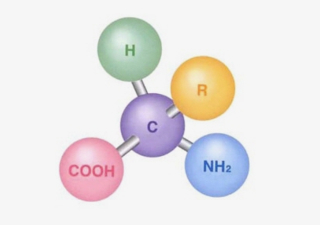
  2. Protein
    Protein is the second most abundant substance in cells after water, accounting for approximately 10–20%.
    Proteins are generally divided into structural proteins and functional proteins. Structural proteins are composed of long protein molecules that form a framework supporting the cell structure.
    Most functional proteins are made up of enzymes.
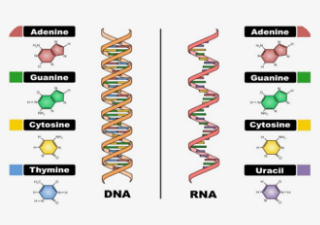
  3. Nucleic Acid
    Nucleic acids control cellular metabolism and store genetic information.
    There are two types of RNA involved in the action of genetic information. Nucleic acids are essential substances for cell division and are often referred to as the “second nutrient.”
    Because of nucleic acids, aging and disease can be delayed.
  4. Lipid
    The two most important lipids in cells are phospholipids and cholesterol.
    Although lipids account for only about 2% of total cell mass and do not dissolve in water, they are extremely important because they are used to form cell membranes and internal cellular structures.
    Fat stored in cells serves as a major energy reserve and is used as energy when needed.
  5. Carbohydrates
    Carbohydrates play an important role in cell nutrition and account for approximately 1% of total cell mass.
    Dissolved glucose can be used immediately as an energy source for cellular activity.
    Cells also store small amounts in the form of glycogen, which can be broken down into glucose when needed to supply energy to the cells.

Water That Makes Up the Human Body

What Is Water?

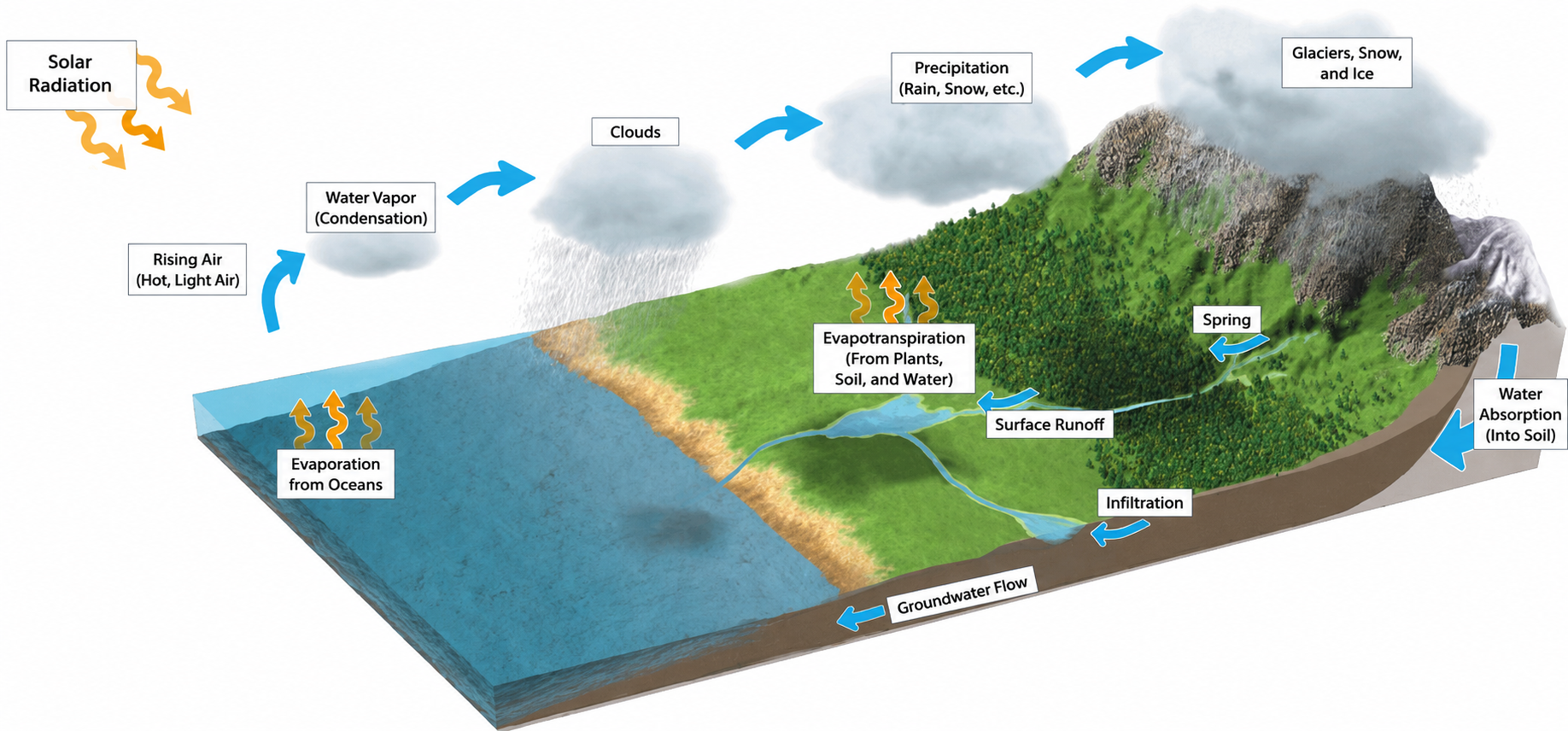
Water is formed when hydrogen (H) and oxygen (O) combine.

Water evaporates, forms clouds through carbon dioxide (CO₂), oxygen (O), and sunlight, then falls as rain and becomes part of our lives.
The minerals in water are structured with molecules bonded in hexagonal formations, considered the most stable shape.
  1. Maintenance
    Maintains cell membranes and supports cellular regeneration
  2. Circulation
    Supports blood circulation and tissue circulation
  3. Solubility
    Dissolves nutrients from food and delivers them to cells
  4. Excretion
    Removes toxins and waste products from the body
  5. Balance
    Maintains electrolyte and acid-alkaline balance in the blood
  6. Recovery
    Helps repair damaged DNA genes
  7. Anti-Aging
    Helps prevent skin aging and reduce wrinkles
  8. Immunity
    Supports blood cell production and enhances immune function against harmful substances in the body

Average 70% for each human body

How Much Water Do You Need According to Your Age?

The amount of water that makes up the human body varies depending on age,
as does the body's ability to absorb and the amount needed.

Ages 10–20: Water absorption is fastest during this period, and body water content is highest at around 80%,
so even a small amount of water can effectively maintain hydration.
Ages 30–40: Compared to activity levels, water intake is relatively low, making this the period when symptoms of dehydration appear most frequently.
Ages 50 and above: Water absorption decreases,
making adequate hydration especially important during this stage of life.

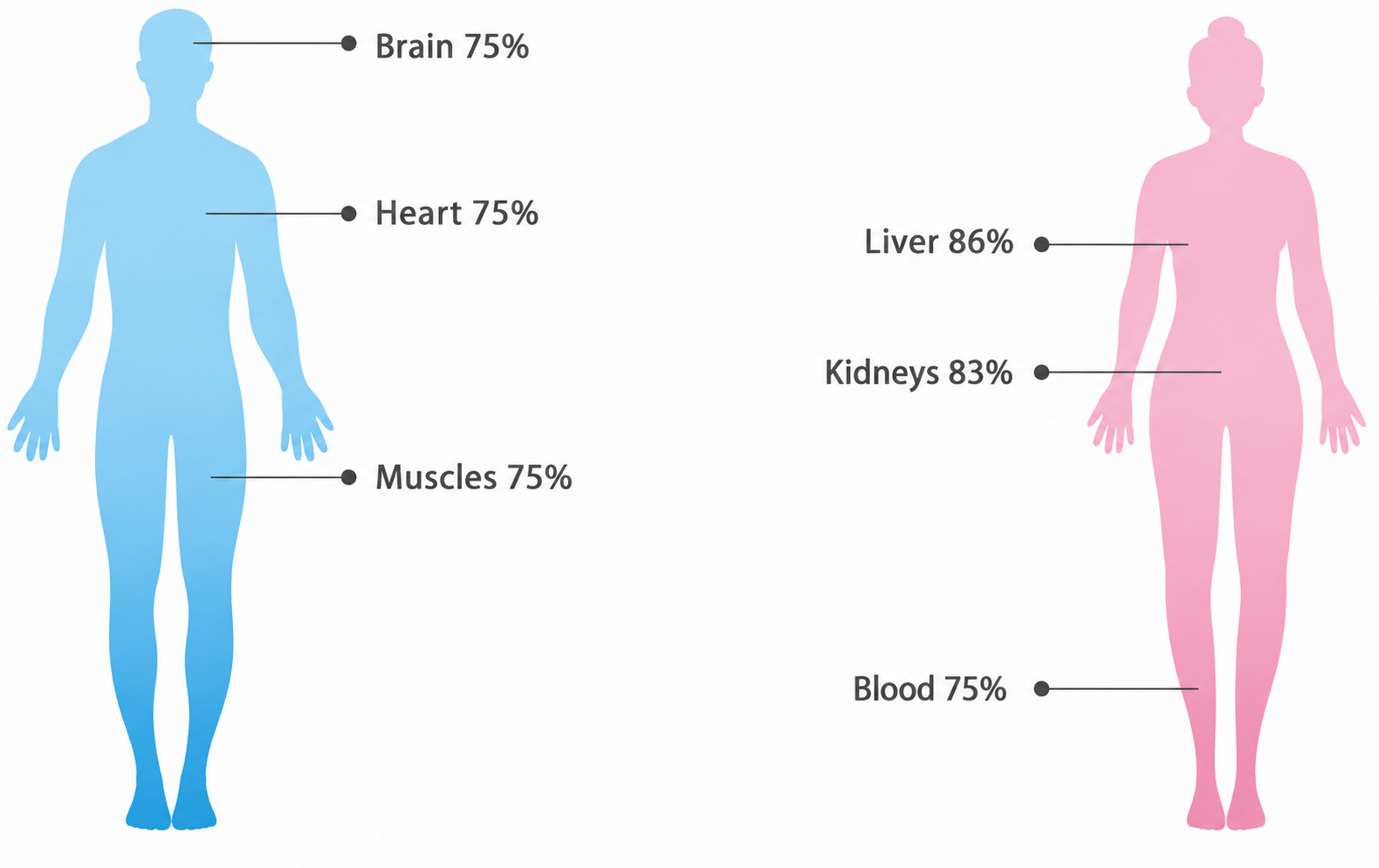
Water Content in Human Organs

  • Heart : 80%

  • Muscles : 75%

  • Intestines : 75%

  • Lungs : 79%

  • Brain : 75%

  • Skin : 72%

What Makes Good Water?

Water is essential for health,
but did you know there are many different types of water? Among them, what kind of water is considered truly healthy?
Here are the key conditions of good water.

  1. Mineral Water
    Water with a balanced amount
    of beneficial minerals
  2. Solubility
    Water in which oxygen and carbon dioxide
    are sufficiently dissolved
  3. Molecular Structure
    Water with low hardness
    and small molecular clusters
  4. Slight Alkalinity
    Water with a slightly alkaline
    pH of 7.4–7.6
  5. Removal of Active Oxygen
    Water with antioxidant properties
    that help remove active oxygen
  6. Wave Energy
    Water containing
    natural wave energy

What Types of Water Are There?

  • Acidic Water
    Water with a pH below 6.5.
    It weakens the body's immune system, increases fatigue, and causes oxygen deficiency in the blood, which can lead to the formation of active oxygen.
  • Alkaline Water
    According to modern science, water with a minimum pH of 7.5
    may help prevent acidification in the body.
  • Hydrogen Water
    May help remove harmful active oxygen that causes aging in the body.
    (Scientific evidence insufficient)
  • Deep Ocean Water
    Water from the deep sea where sunlight does not reach, rich in deep-sea minerals
    (Scientific evidence insufficient)

pH

  • Acidic
  • Neutral
  • Alkaline
Our body's ideal pH is slightly alkaline at pH 7.4.

Water: pH 7.4 (Minerals) – 5.7 (Purified Water) = 1.7

※ Reference:
Knowing the Water You Drink
  • Acidic water: Water with a pH below 7.0 (pH 5–7)
  • Acidic beverages: Coffee, yogurt, milk, alcohol, cola, etc.
  • Excessive consumption of acidic beverages may oxidize the blood (acidification)
    • Increased blood viscosity
    • Damage to enzymes that break down proteins, fats, and carbohydrates
    • Oxygen deficiency
    • Arthritis, heart disease, diabetes, stomach ulcers, obesity, dementia
      (Excerpt from "The Hidden Truth of Drinking Water" – related to acidification)
  • Conclusion: Drinking mineral water is considered the best option
    • Helps improve metabolism and remove waste products from the body

World’s Famous Longevity Waters

France – Lourdes Spring
  • Contains calcium and selenium
  • Famous as the "miracle water" believed to cure diseases
  • Became widely known in 1971 after a 3-year-old child with kidney disease reportedly recovered after drinking Lourdes spring water
  • 69 people who experienced healing were officially recognized with certificates of recovery
Germany – Nordenau Water
  • Rich in calcium and known for its antioxidant properties
  • In 1991, it was discovered that the water emitted very strong energy
  • Famous for helping improve atopic dermatitis and other skin conditions
  • Used in treatment programs for cancer patients with medically recognized healing effects
Mexico – Tlacote Water
  • Rich in calcium and iron, containing active oxygen
  • Active oxygen and minerals combine to help remove harmful active oxygen from the body and strengthen immunity, reportedly helping with allergies, diabetes, rheumatism, and high blood pressure
  • Known for maintaining a body pH of 80% alkaline
  • Famous for the treatment of AIDS patients at a hospital in Houston, USA
India – Nana's Well
  • In 1992, it became known after reports that blind individuals regained sight and patients with skin diseases were healed after drinking the water from the well
  • It is also said that a girl suffering from polio drank the well water and was able to walk again after one week

Korea’s Finest Mineral Spring Water

Jangsu Village

Sangsa Village, Masan-myeon, Gurye-gun, Jeollanam-do
Selected as Korea's longest-living village in 1986
A longevity village with an average life expectancy of 92 years and reportedly low rates of high blood pressure, stroke, and dementia


Analysis Results of Jangsu Village Mineral Spring Water

Hydrogen Ion Concentration
(pH)
Electrical Conductivity
(μS/cm)
Oxidation-Reduction Potential
(mV)
Far-Infrared Energy Value
(Difference in Water Clusters)
Trace Elements Mineral Concentration
Germanium [μg/L] Strontium [μg/L] Radium [μg/L] Selenium [μg/L] Ceramic Content [μg/L] Calcium [mg/L] Magnesium [mg/L] Zinc [μg/L]
7.6 146 -37.5 5.66 2.06 100 0.12 0.21 2.05 25.6 5.8 0.75

Effects : Prevention of periodontal disease, nervous system, stomach, arteriosclerosis, anemia

All the water that dissolves the roots of Jirisan medicinal herbs flows here.

Selected as one of Korea's Top 10 Mineral Springs in 2004 (Korea Tourism Organization)
Recognized as Korea's healthiest village in 1986 with no cases of cancer among residents (Collected research by Korea University College of Medicine)
Contains abundant minerals that help strengthen the immune system (Collected research by the Environmental Management Corporation)

Korea’s Mineral Spring Water

For the first time in Korea, natural mineral springs from famous mountains across the country were collected and analyzed from over 300 renowned spring sites designated as natural monuments,
scientifically examining the ions and energy present in the water.

Mineral Spring Ionized Mineral Substances Reported Effects
Dalki Mineral Spring Aragonite, (Ca₀.₉₄Mg₀.₀₆)(CO₃) Stomach disorders, swelling, skin disease, neuralgia, anemia
Bangadari Mineral Spring Aragonite, (Ca₀.₉₄Mg₀.₀₆)(CO₃) Stomach disorders
Dangmol Spring Calcite, Halite Prevention of periodontal disease, nervous system, arteriosclerosis, anemia
Jijang Spring NaCl, NaNO₃, CaSO₄ Brain autonomic regulation, growth promotion
Yongcheon Mineral Spring Aragonite, Halite, CaCO₃, CaSO₄ Arteriosclerosis, high blood pressure, diabetes, improved constipation
Myeongam Mineral Spring CaCO₃, NaNO₃, NaCl Stomach disorders, weakness
Chojung Mineral Spring NaCl, (Mg₀.₆₄Ca₀.₃₆)(CO₃) High blood pressure, diabetes, stomach disorders, skin disease, neuralgia
Ilwol Mineral Spring Aragonite, Halite, CaCO₃, CaSO₄ -
Jangsu Mineral Spring Calcite, NaCl, CaSO₄ Swelling, stomach disorders

Frequently Asked Questions

A
Water that is closest to the human body is slightly alkaline water with a pH of around 7.4.
A
Beverages containing caffeine can cause more water to be expelled from the body, so additional water intake is recommended.
A
Yes, water can go bad. Bottled water and purified water may change over time due to bacterial growth, so it is best to drink them as soon as possible.